
"coffee flavor evolution"
700 article(s) found
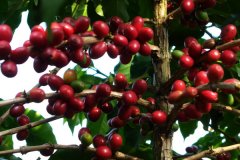
Ethiopian Yega Chevy Fine Coffee
The coffee-producing region of Ethiopia is divided into east and west parts by the East African Rift Valley, with lakes, volcanoes, lowlands, plateaus and woodlands interlaced, each evolving. Ethiopia has the most diverse coffee ecosystem in the world (forest coffee, semi-forest coffee, pastoral coffee and plantation coffee), which also preserves its rich Arabica genes. The eastern half is mostly plateaus, coffee beans.

"acidity", "quality" and "flavor" of Ethiopia's Bancimagi Coffee Manor
Ethiopia is the birthplace of the famous Arabica coffee beans, and people have always maintained the tradition of harvesting wild coffee beans. The coffee garden at an altitude of more than 1500 meters has formed a unique coffee style after thousands of years of evolution and adaptation. Ethiopian coffee grown in the natural wild environment is called wilderness coffee, which retains the most primitive and natural taste of coffee beans.

What is the Italian style of the three waves of coffee in the world
The world's three major waves of coffee evolution three waves of coffee what is the wave of Italian coffee, can be said to be a revolution. It is precisely because the market is now filled with a large number of products that fail to restore the quality of coffee, confusing the public's correct understanding of coffee, leading to the emergence of a group of advocates who really love high-quality coffee. They insist on providing fine coffee and spread authentic coffee culture.

The Australian media voted for the seven strangest coffees, and Asia has five.
Professional baristas Please follow the Coffee Workshop (official Wechat account cafe_style) Coffee spread by sea from Africa to Europe during the geographical discovery of the 15th century. Until now, the culture of drinking coffee has spread around the world, resulting in the evolution of some localized coffee flavors. Australian news media The Courier Mail sorted out the 7 strangest things in the world.

Ethiopian Coffee Flavor description introduction of High-quality Coffee varieties in producing areas
Ethiopia is the birthplace of the famous Arabica coffee beans, and people have always maintained the tradition of harvesting wild coffee beans. The coffee garden at an altitude of more than 1500 meters has formed a unique coffee style after thousands of years of evolution and adaptation. Ethiopian coffee grown in the natural wild environment is called wilderness coffee, which retains the most primitive and natural taste of coffee beans.

What is the effect of coffee treatment on flavor and aroma? How long does it take for coffee to ferment?
Professional coffee knowledge exchange more coffee bean information please follow Coffee Workshop (Wechat official account cafe_style) Street Coffee introduces the evolution history of coffee raw bean treatment-from the sun to washing: at first, after harvest, as long as the coffee fruit is laid in the sun until it is dried, it is the sun drying method. Very little water is used in the whole process. It can be operated by ordinary producers.

Taste mild, Ecuadorian coffee producing area manor introduces San Cristobal producing area
The coffee beans produced in Guadore's Galapagos Islands are organic coffee beans, thanks to the unique ecological environment such as volcanic soil and microclimate, coupled with the fact that they do not use any chemical fertilizers or pesticides, they are recognized as natural green boutique coffee. this naturally grown coffee has a mild taste with a hint of flowers and fruit and caramel. It is understood that the Galapagos Islands are far from Ecuador.

A brief introduction to Los Congo Manor in Nicaragua Coffee Manor with attractive fragrance and outstanding flavor
Nicaraguan coffee is grown in fertile volcanic soil, and SHG is the best harvested from 1500 to 2000 meters above sea level. The local climate belongs to alpine terrain, which is surrounded by thick fog throughout the year and covers the whole mountain forest, resulting in a low-temperature and humid climate. Years of mating evolution of tree species, coupled with insisting on the ancient and time-consuming treatment process, retain natural acidity and strong aroma, and shade is used.

What are the characteristics of Sidamo coffee? is Sidamo from the African prairie sour?
Professional coffee knowledge exchange more coffee bean information please follow the coffee workshop (Wechat official account cafe_style) front street-Sidamo Coffee introduces Ethiopia is the birthplace of the famous Arabica coffee beans, people still maintain the tradition of collecting wild coffee beans. The coffee garden at an altitude of more than 1500 meters has formed a unique coffee after more than a thousand years of evolution and adaptation.

A brief introduction to the treatment method of grinding degree and baking degree in Nicaragua boutique coffee manor with excellent flavor
Nicaraguan coffee is grown in fertile volcanic soil, and SHG is the best harvested from 1500 to 2000 meters above sea level. The local climate belongs to alpine terrain, which is surrounded by thick fog throughout the year and covers the whole mountain forest, resulting in a low-temperature, damp and humid climate environment. Years of mating evolution of tree species, coupled with insisting on the ancient and time-consuming treatment process, retain natural fruit acid and strong aroma.

Ethiopian coffee with a long aftertaste Description Variety Features Price Growing Environment Introduction
Ethiopia is the birthplace of the famous Arabica coffee bean, and the tradition of harvesting wild coffee beans has been maintained to this day. The coffee garden with an altitude of more than 1500 meters has formed a unique coffee terroir after more than a thousand years of evolution and adaptation. Ethiopian coffee grown in a natural wild environment is called wilderness coffee, retaining the most primitive and natural taste of coffee beans.

What are the characteristics of hand-brewed coffee? the four steps of tasting coffee learn one more step and one more point of pride.
Professional coffee knowledge exchange more coffee bean information please follow the coffee workshop (Wechat official account cafe_style) front street-hand-brewed coffee, coffee tasting introduction hand-brewed coffee, is the representative of the third wave of coffee aesthetics in the three waves of evolution of boutique coffee. 19401960, instant coffee, rotten coffee is the way. The second wave, 1966 Murray 2000, coffee boutique, re-baked lattes are popular.
Introduction of Coffee producing area and Flavor characteristics in five producing areas
Ethiopia: Ethiopia is the birthplace of the famous Arabica coffee beans, of all the producing areas, Hidamo and Yegashafi are the most outstanding, and people have maintained the tradition of harvesting wild coffee beans. The coffee garden with an elevation of more than 1500 meters has formed a unique coffee style after thousands of years of evolution and adaptation. Ethiopian coffee is mostly washed beans and has a strong floral fragrance.

Introduction to the coffee producing area of Ethiopia, the birthplace of the famous Arabica coffee beans
Ethiopia is the birthplace of the famous Arabica coffee beans, and people have always maintained the tradition of harvesting wild coffee beans. The coffee garden at an altitude of more than 1500 meters has formed a unique coffee style after thousands of years of evolution and adaptation. Ethiopian coffee grown in the natural wild environment is called wilderness coffee, which retains the most primitive and natural taste of coffee beans.

Introduction to the characteristic Variety producing areas of the Flavor description treatment method of Hassanda Coffee Garden in Ecuador
Ecuador is the highest Arabian coffee plantation in the world. The Arabian Coffee Tree was first introduced to Ecuador in 1952 and its coffee is of good quality, especially the coffee harvested in early June. Ecuadorian coffee beans can be divided into two varieties: Galapagos and Gigante, both of which have the characteristics of large particles, heavy weight, balanced acidity and rich aroma. Er
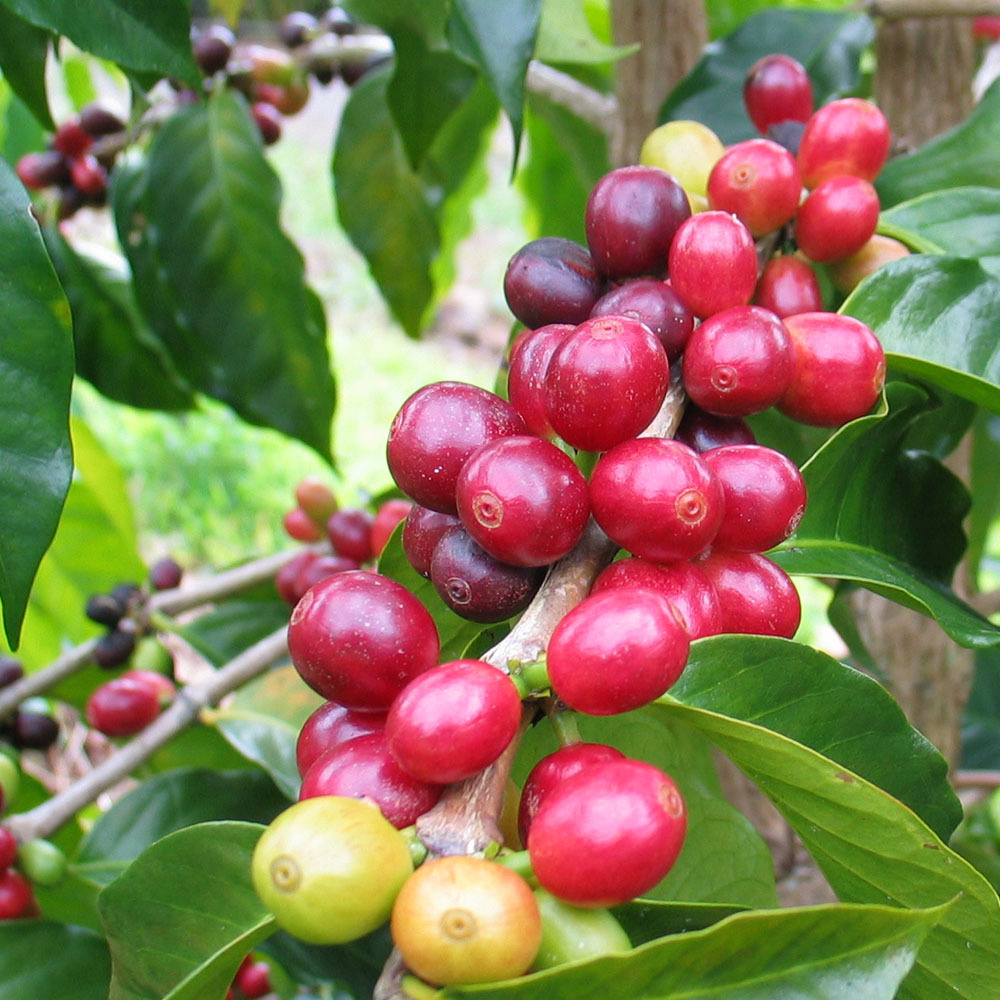
The coffee producing area of Ethiopia is Hidamoharal Yega Xuefei Sidamo, Harrar and Y
The coffee producing areas of Ethiopia are Hidamo, Harald and Sidamo, Harrar and Yirgacheffe. Sidamo and Harrar are provinces and divisions. Sidamo is located in the south of Ethiopia bordering Kenya, and Harrar borders Somalia in the east of Ethiopia. Although Yirgacheffe is a community in the Sidamo region, due to soil composition and water content and other reasons.

Owen Fernandez, a farmer in Baihua Village, Honduras, introduces the flavor characteristics of washed Pacas coffee.
Owen Fernandez, a coffee from Santa Barbara, Honduras, is famous for its unique flavor due to its microclimate and the evolution of different varieties. The mountains of Santa Barbara are steep next to the primeval forest, and the rainfall is particularly unstable. There are several small villages nearby, except Baihua Village, El Cedral

How about African Ethiopian Coffee A brief introduction to the characteristics of Coffee in Gucci Coffee producing area
Professional coffee knowledge exchange more coffee bean information please follow the coffee workshop (Wechat official account cafe_style) front street-Ethiopian coffee, Guji production area profile Ethiopia has the world's most diverse coffee ecosystem (forest coffee, semi-forest coffee, pastoral coffee and plantation coffee), which allows its rich Arabica genes to be preserved, plus sun exposure,

What are the varieties of coffee produced by Hasenda Coffee Garden? what's the flavor?
The coffee beans produced in Ecuador's Galapagos Islands are organic coffee beans, thanks to the unique ecological environment such as volcanic soil and microclimate, coupled with the fact that they do not use any chemical fertilizers or pesticides, they are recognized as natural green boutique coffee. this naturally grown coffee has a mild taste with a hint of flowers and fruit and caramel. It is understood that the Galapagos Islands are far from Eritrea.

Introduction to the characteristic manor of Ecuadorian coffee flavor varieties with mild taste
West coast: including coastal plains and foothills, high in the east and low in the west, generally below 200 meters above sea level, with some hills and low mountains at an altitude of 600 to 700 meters. Belongs to the tropical rain forest climate, the southernmost end begins to transition to the savanna climate. The average annual precipitation decreases from more than 3000 mm to about 500mm from north to south. The names of the provinces are as follows: Piccha, Asuai, Boliwal, Kania.